Colour & Genetics
Our Approach to Genetic Health
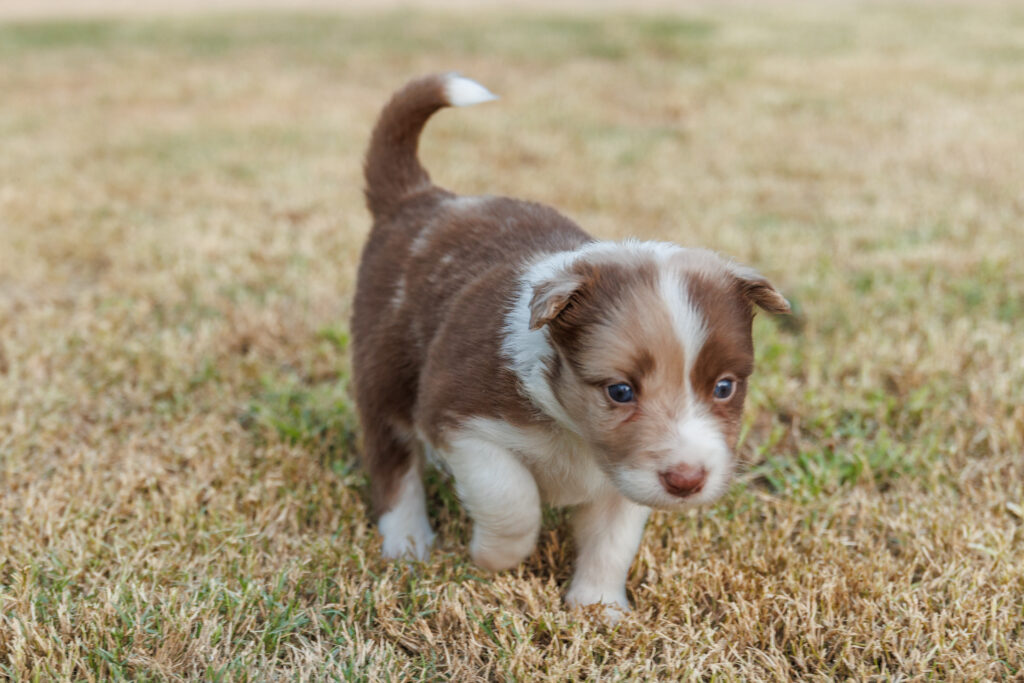
At Scenic Collies, all breeding dogs undergo comprehensive DNA testing through Orivet. These results guide responsible pairing decisions with long-term health, temperament, and structural soundness as priorities.
Understanding colour and genetics allows us to make informed decisions beyond appearance alone.
Understanding Key Colour Genes
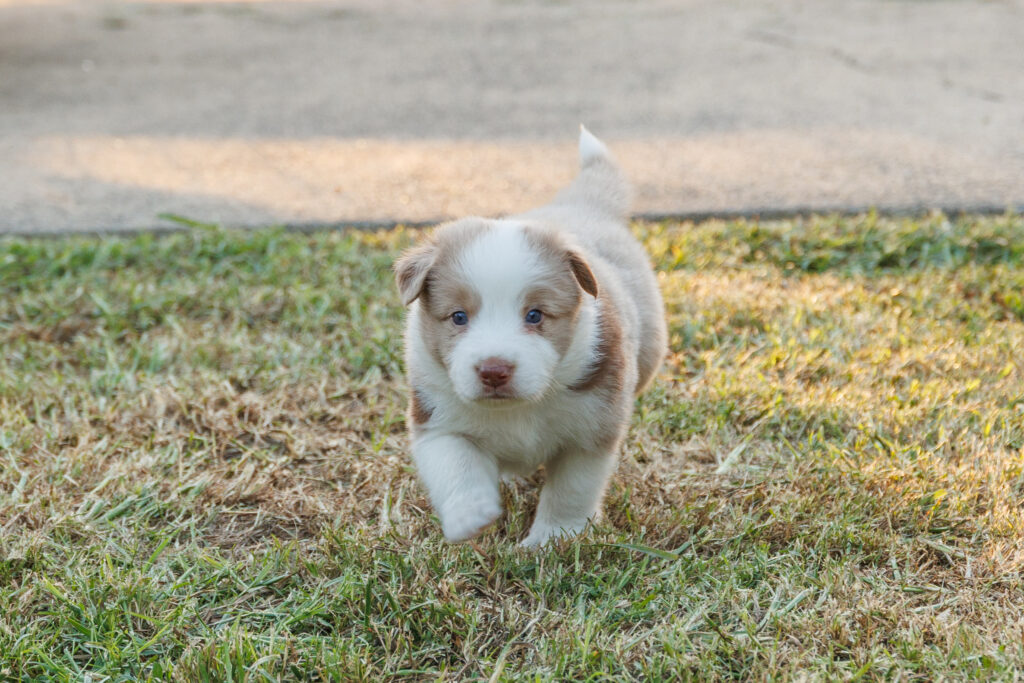
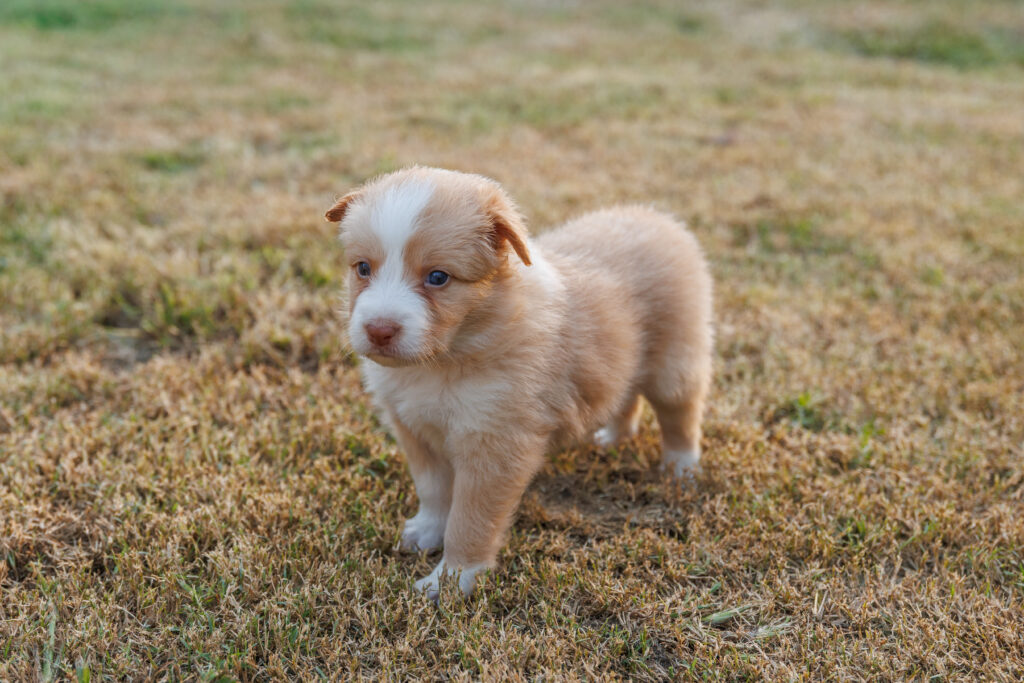
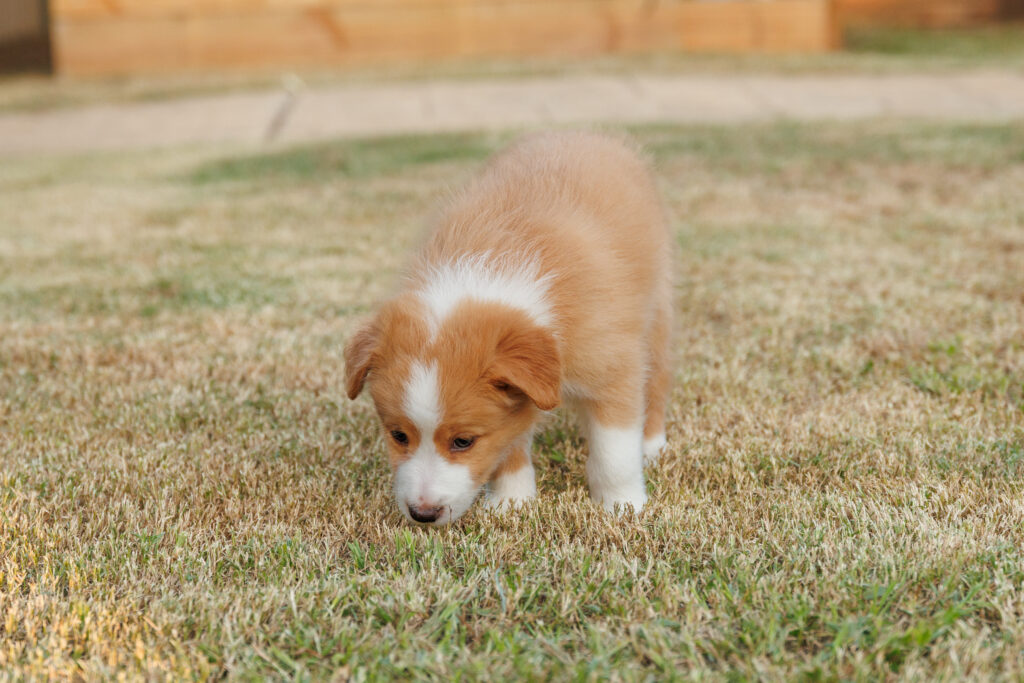
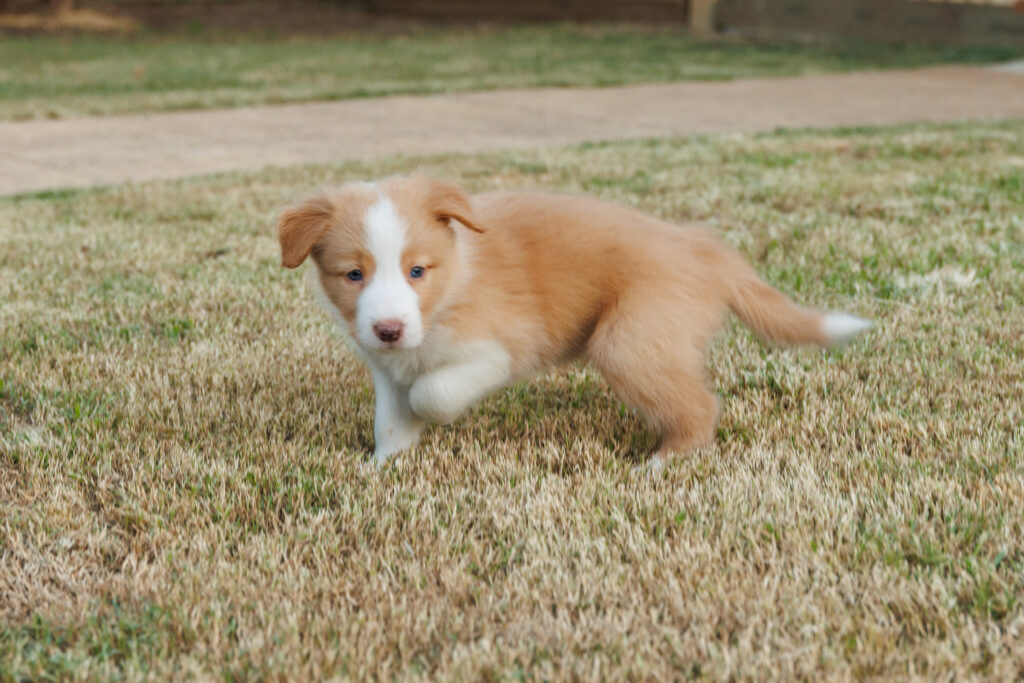
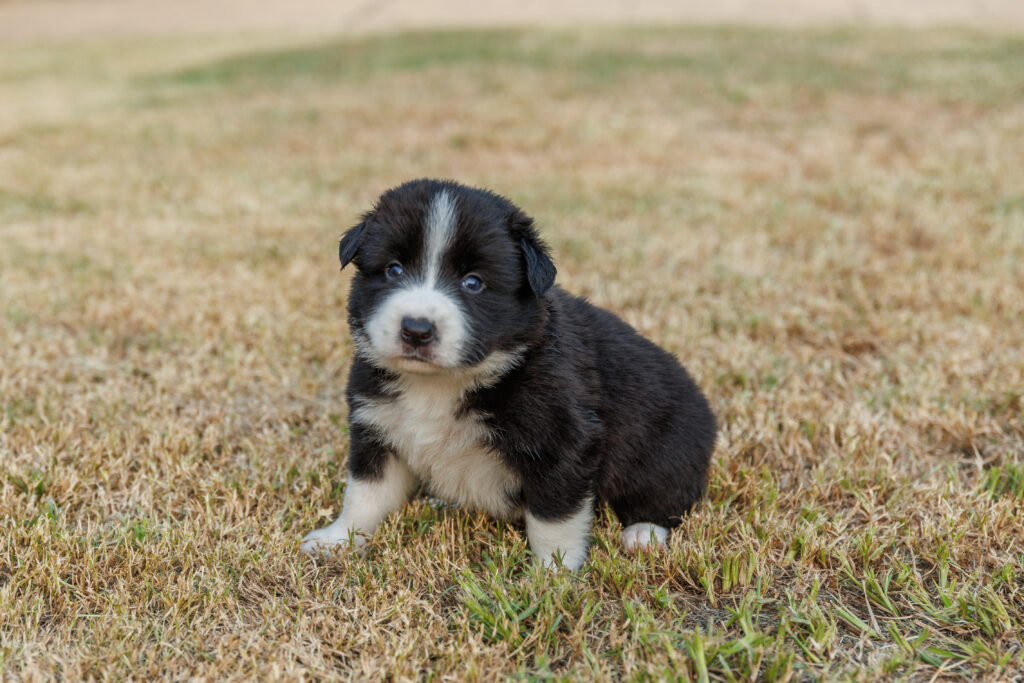
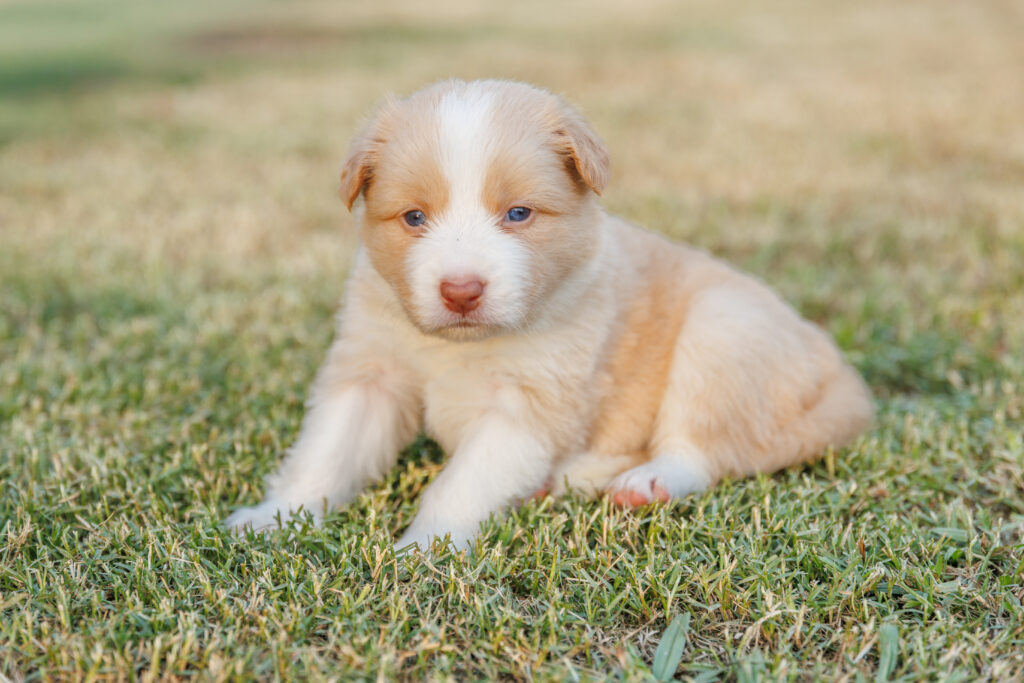
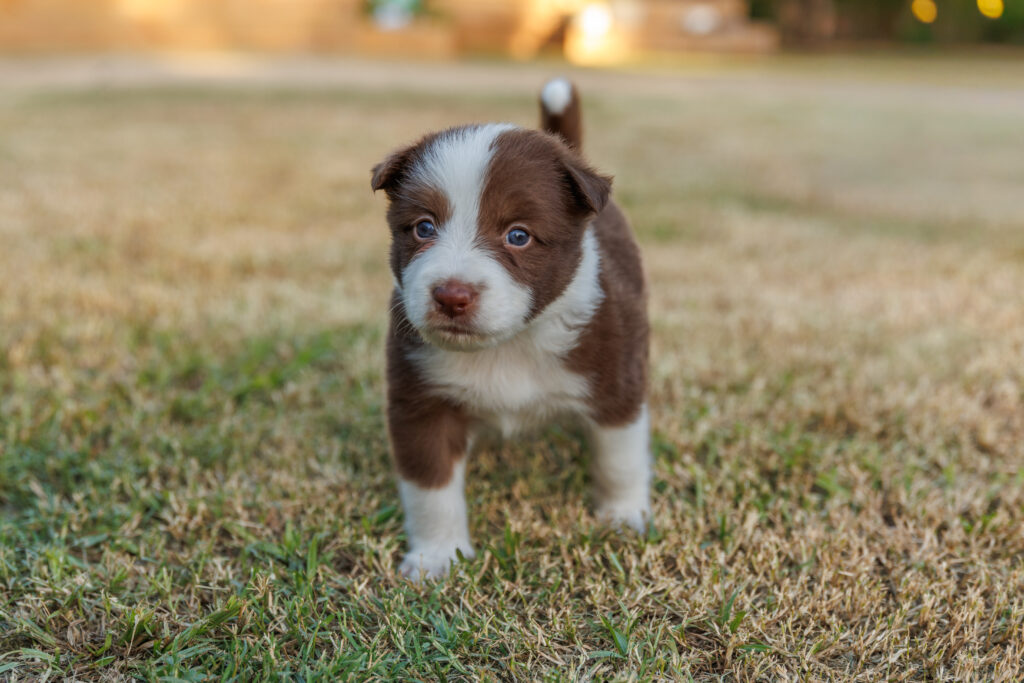
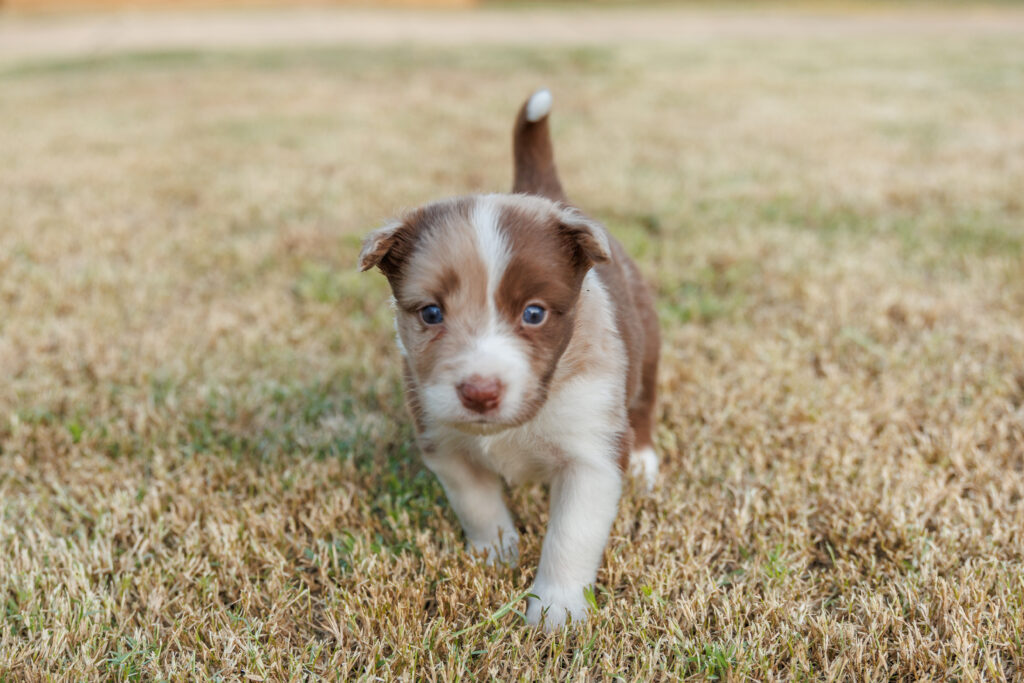
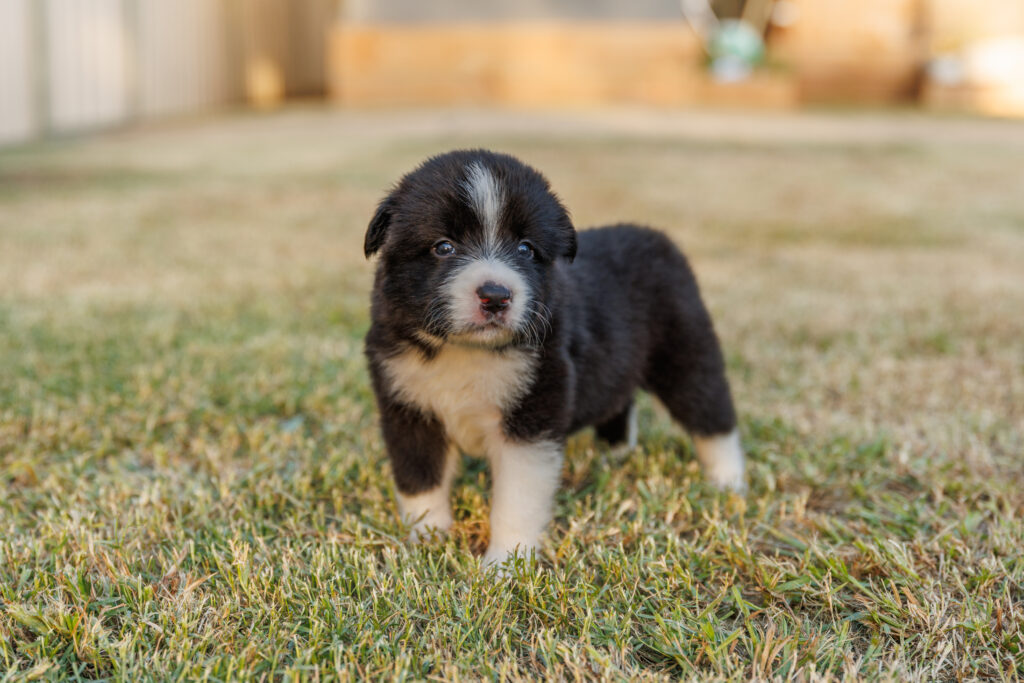
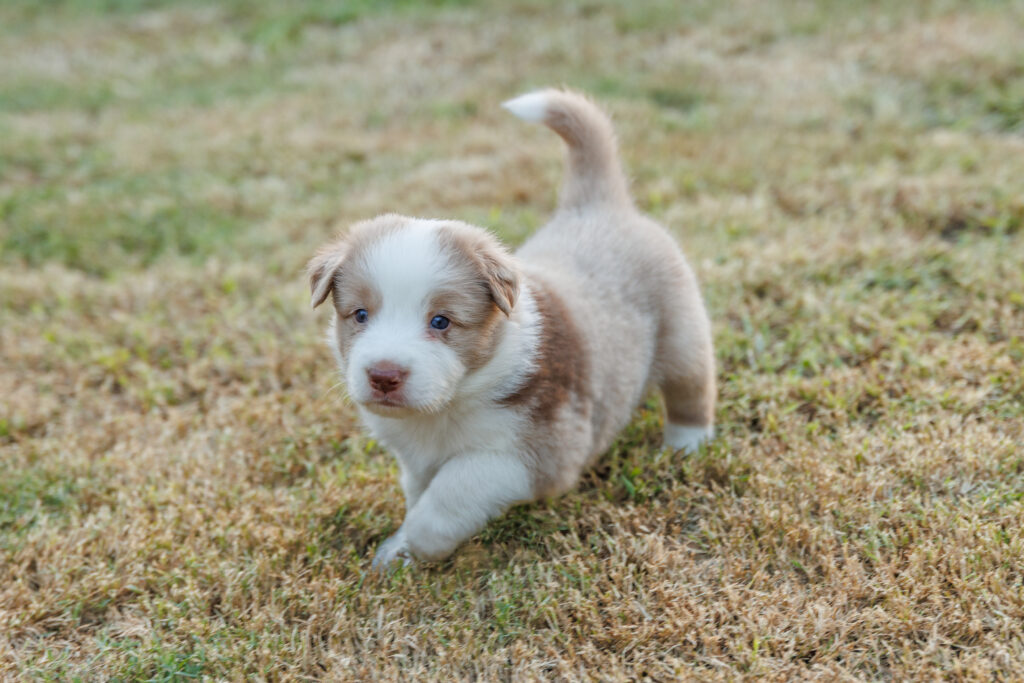
Coat colour is influenced by several genes that determine how pigment is expressed and distributed. While colour is only one small part of responsible breeding decisions, DNA testing allows us to understand both visible traits and what a dog may genetically carry.
🧬 Base Colour – E Locus (Extension)
The E locus determines whether black or brown pigment is expressed in the coat.
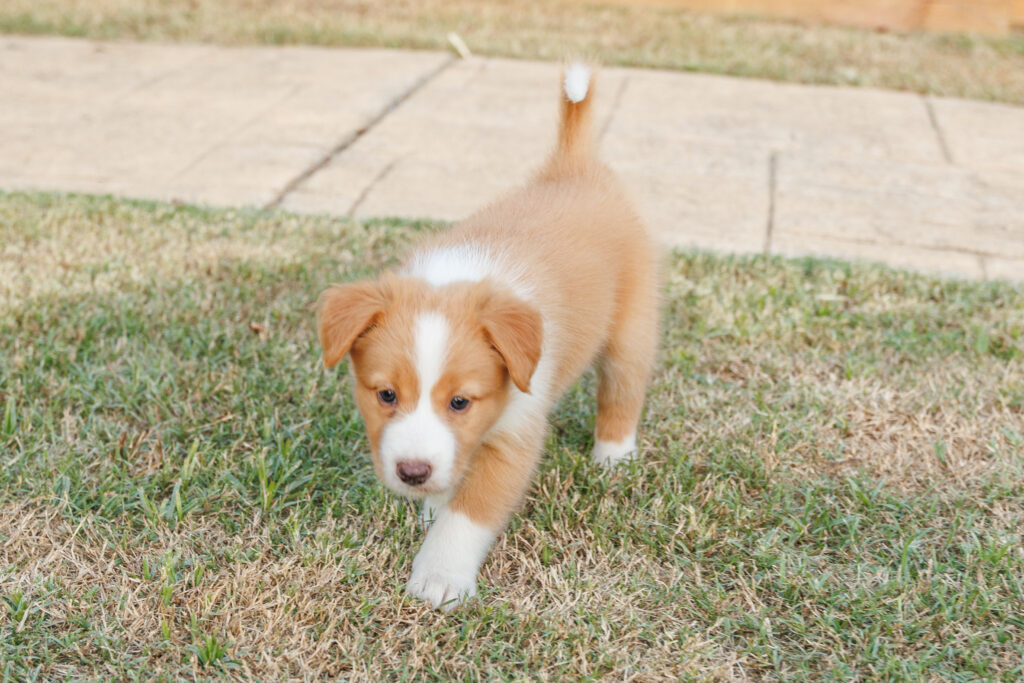
Dogs with at least one “E” can express black or brown pigment. Dogs with two copies of “e” (e/e) will appear red, apricot, or yellow, as this gene masks darker pigment.
This is why a dog’s visual colour may differ from its underlying genetic base.
🎨 Merle – M Locus
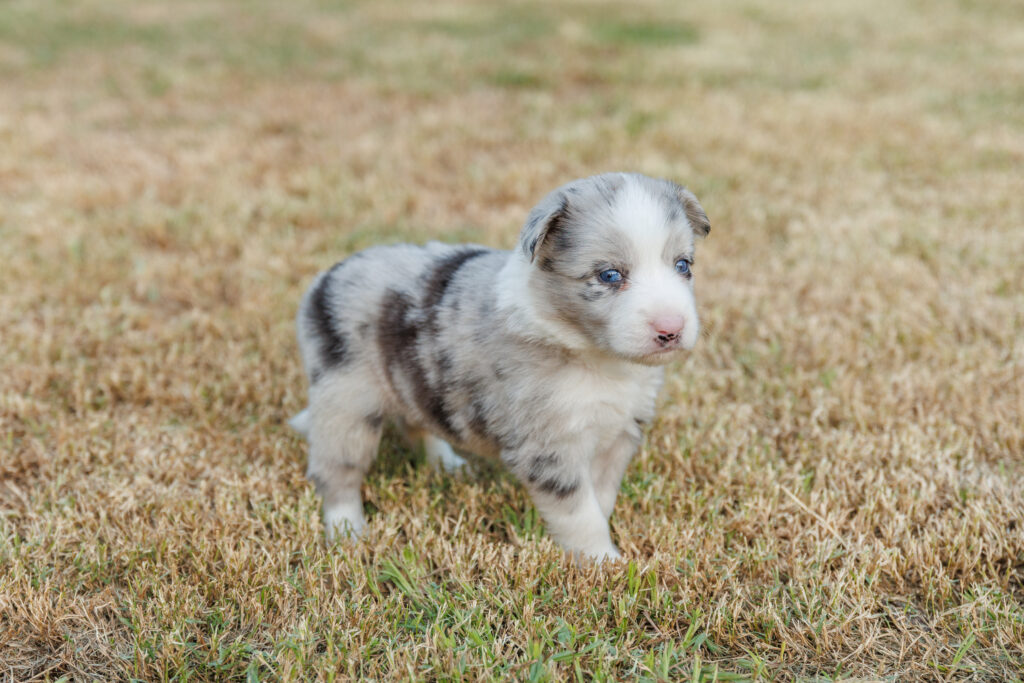
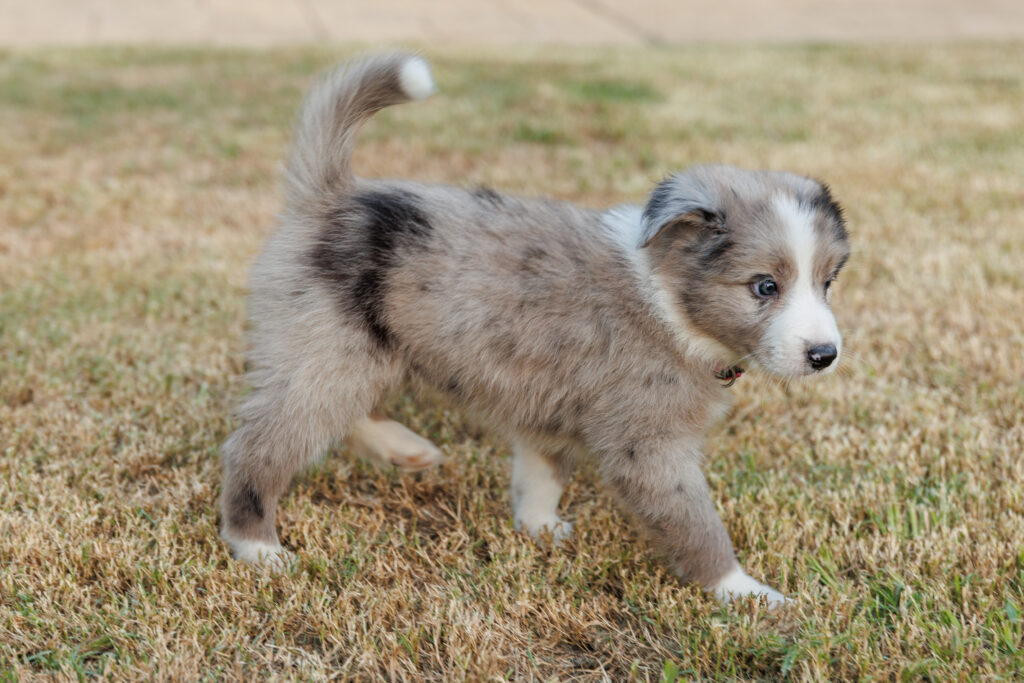
The Merle gene affects how pigment is distributed across the coat, creating a marbled or mottled pattern.
Merle does not change the base colour — it modifies it.
Responsible breeding avoids merle-to-merle pairings to prioritise healthy outcomes.
🌫 Dilute – D Locus
The Dilute gene lightens pigment when two copies are present.
For example, black may appear blue/grey, and chocolate may appear lilac.
A dog carrying one copy of dilute will not visually show dilution but may pass it on.
🍫 Brown (Chocolate) – B Locus
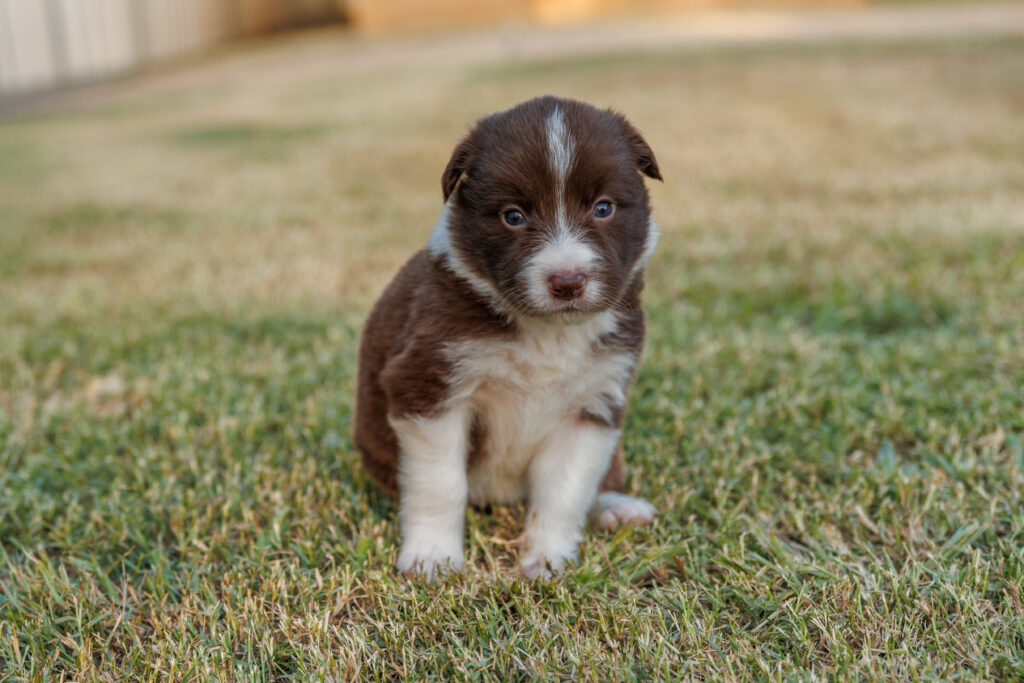
The B locus determines whether black pigment remains black or is modified to brown (chocolate).
If two copies of the brown variant are present, black pigment is expressed as chocolate instead.
A dog may carry brown without visibly showing it.
These genes interact with one another, which is why a dog’s visual colour may not always reflect its full genetic makeup.
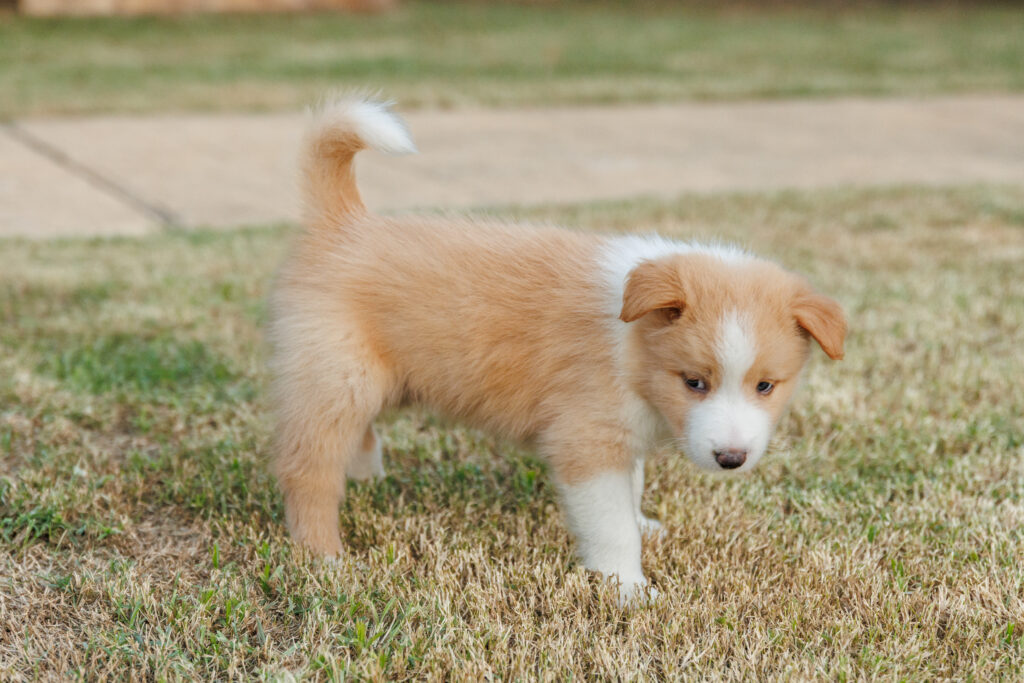
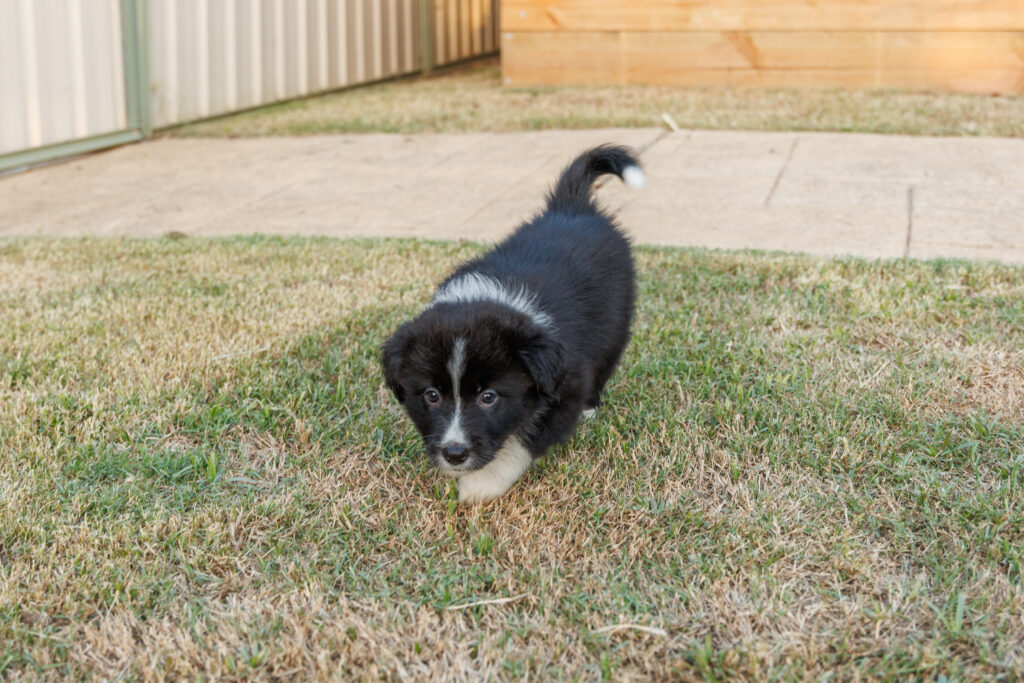
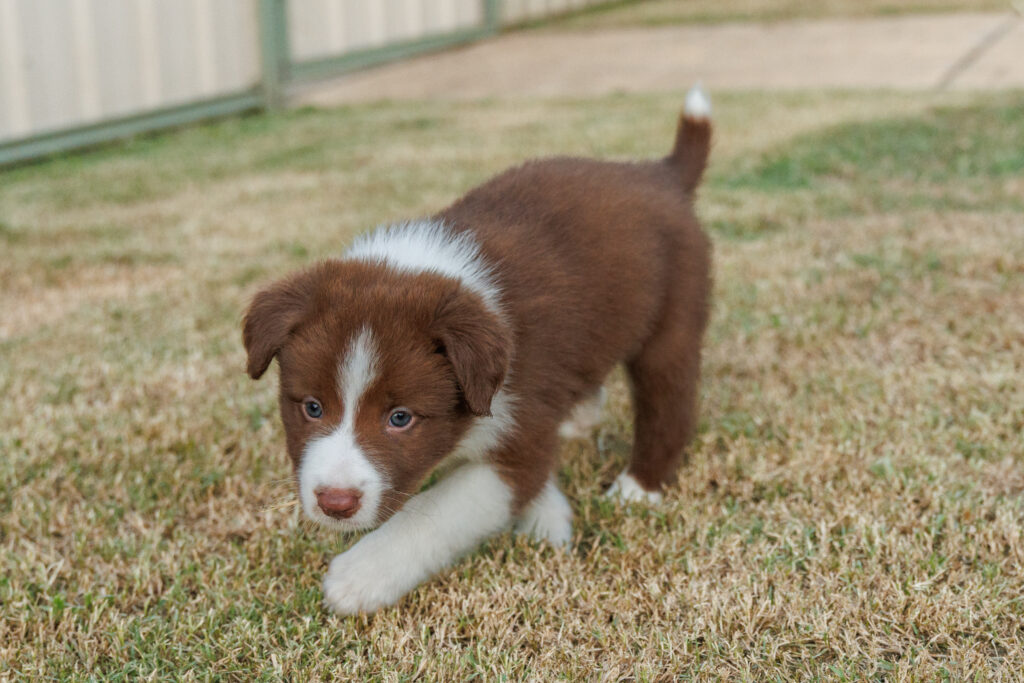
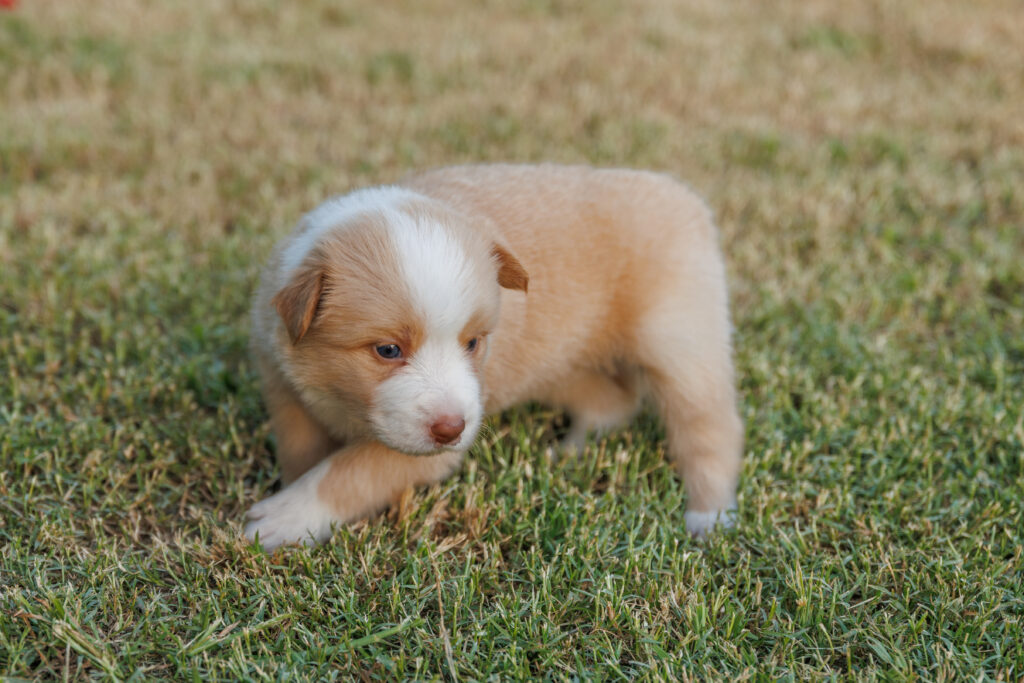
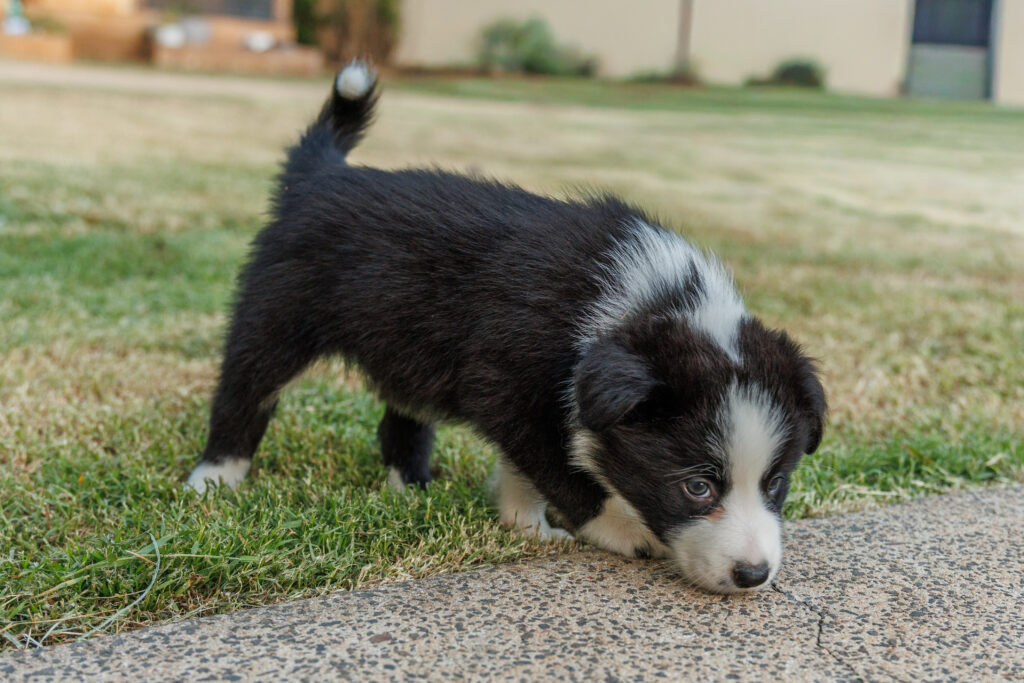
Genetic Colour vs Visual Colour
A dog’s genetic colour does not always match what we visually see.
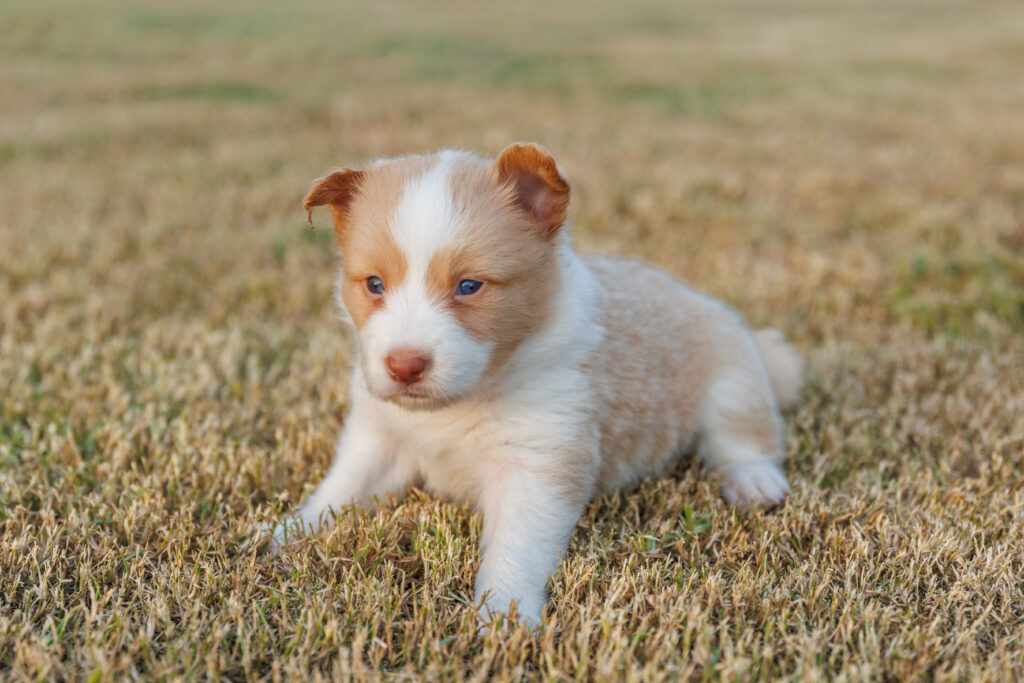
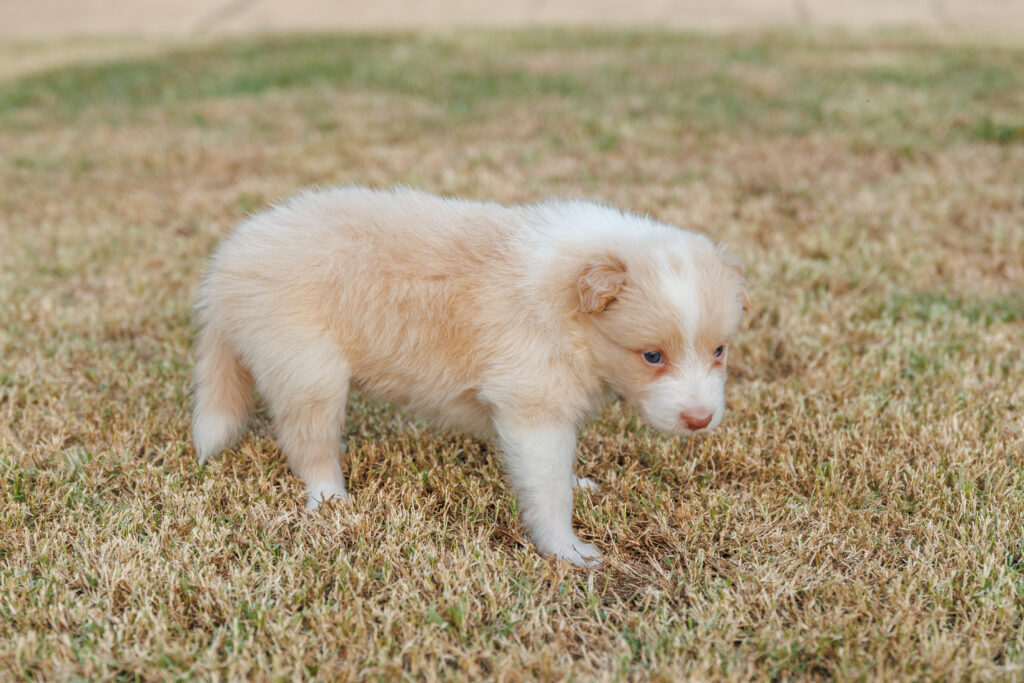
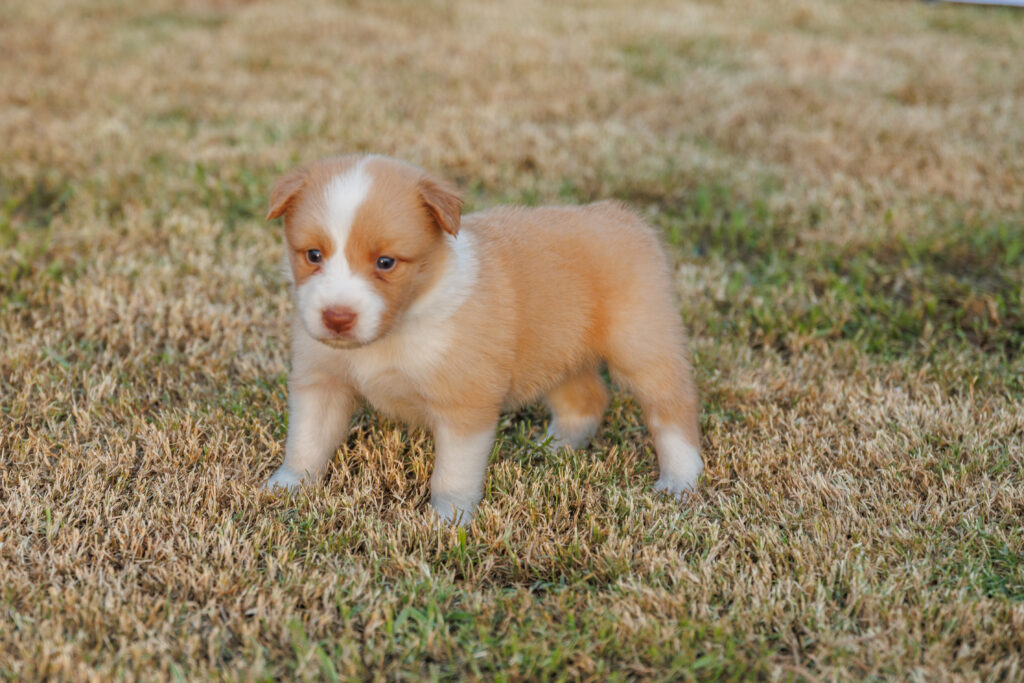
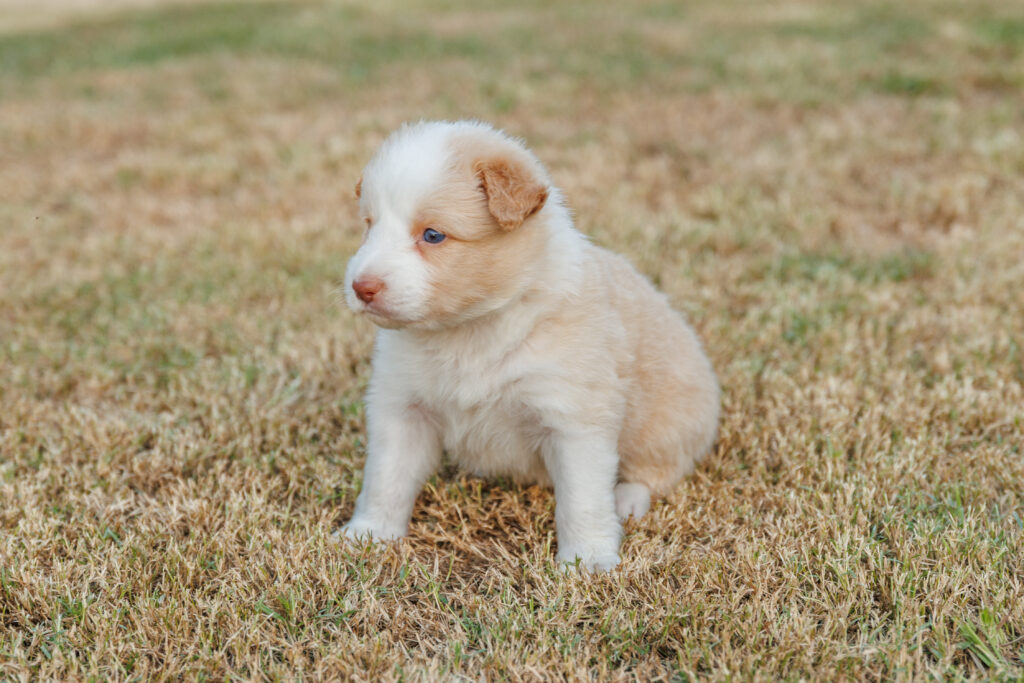
Certain genes influence how pigment is expressed or masked. For example, a dog may genetically carry chocolate or black pigment, but appear red or apricot due to the Extension (E) locus.
This is why DNA testing provides clarity beyond appearance alone.
Understanding “Carrier” Status
A carrier dog is healthy and unaffected by the condition they carry.
Carrier status does not impact a dog’s health or quality of life. It simply means the dog has one copy of a variant gene.
Through responsible mate selection, carriers are paired appropriately to ensure no affected puppies are produced.
Responsible Breeding & Transparency
All pairings at Scenic Collies are selected with health, genetic compatibility, and stable temperament as the highest priorities.
DNA testing allows us to make informed, responsible decisions that prioritise the long-term wellbeing of the breed.
Individual genetic reports are available on our dog pages.